Communities
Events
Shows
Blog
Newest posts
Your Next Team Member Is Already Answering Questions in Your ChatWhere Does the Machine Stop and Your Sermon Begin?Online Bible Study Dies Between the Insight and WednesdayYou Told Us We're Too American. You're Right.The Risks Digital Missionaries Carry That Most of Us Never See
Jason Morris, theChurch.digital's equipping and mobilization director, joined Jeff between trips, just back from the Missio Nexus Mission Leaders Conference in Orlando, where he represented theChurch.digital. Jeff introduces him as the behind-the-scenes architect of much of its work equipping digital missionaries. What surprised him was how receptive the mission leaders were: missionaries already have a pioneering mindset. Preparing the talk, he landed on four digital disruptions, consistency, proximity, permanency and immediacy, each a spectrum on which physical ministry usually sits at one end. Many churches have resigned themselves to seeing people once a month, while digital can lean daily, closer to the rhythm of Acts. A line from one of theChurch.digital's global leaders sharpened it for him: consistency builds culture. Cultures form when people spend time together, which used to require proximity and no longer does.
Jeff asks how that sits with the gathering. Jason is not against it, since scripture calls for it, but asks what it is for: if the gathering is an end in itself, he says, we have missed it; if it is where people huddle, train, pray for and encourage each other and go back out, it is fruitful. He points to digital missionaries who get discouraged when they are isolated, and to Paul after he split from Barnabas. At Missio Nexus he pushed mission organizations to budget, resource and staff platforms the way they do mission fields rather than treat them as broadcast channels, and the room turned, he says, when he asked what happens to an American who spends more time in TikTok than in America.
His most provocative slide was Jesus as CTO. Citing Colossians, that he is before all things and in him all things consist, Jason argues that Jesus is building his church through technology, from YouVersion to the tools mission agencies make, and that the question is whether we have eyes to see it and join him. We are called to make disciples, he says, not likers and subscribers or faithful attenders of weekly Christian events. Jeff adds that the joy pastors fear is missing online is already there for digital missionaries: he has not seen Jason in person in two or three years and is closer to him than to people a couple of blocks away. Jason's biblical case runs from Paul being present in spirit, to Jesus healing at a distance, to 2 John 12, where John longs to be face to face and still writes the letter, which brings in a third disruption, permanency.
Jason describes AI tools he saw at the conference, one that does market research and campaigns for missionaries (he tried it on Brazilian gamers) and one that triages people toward gospel conversations, and the 153 Collective's shared metrics across mission organizations. Jeff shares a survey question about whether theChurch.digital feels too American and says he is looking for people to help lead its WhatsApp community. Jason lands the plane on digital obedience: if you disciple someone digitally, make their obedience steps digital too, down to prayer-walking a feed. After the episode closes, Jason records a short piece for next week's Town Hall on why theChurch.digital is listening to digital missionaries in one-on-one conversations.
Jason Morris: for most of the morning and like hard stop hard stop i don't have way to go boom
Jeff Reed: Awesome. Hey, and we're live because I totally clicked the wrong button in doing that. Hey, welcome to The Church Digital. Becoming The Church Digital, episode 377. I was trying, we're a little late, a little hectic this morning, kind of running in to get this stream going. And I was trying to offline a conversation with J-Mo right before we get on the stream.
Jeff Reed: Hey, everybody. And honest to God, I thought I right clicked on something. And instead, I guess I clicked on it. because it just went live uh and and so uh forgive the awkward entity here as we're getting started in the show but it's been that kind of day uh jason it's not even like it's 10 a.m like it's great um eastern what what uh i mean just you are you good for like an hour end at the top of the hour perfect awesome well hey you know what jason's actually uh has been traveling around here oh you know what you're not even on the screen
Jason Morris: Yeah, yeah, it's all good, man.
Jeff Reed: Let me put the layer on. Yeah, like I said, man, it has been that kind of day. I think this one I'll put you on. Okay, there you go. There's Jason doing good, sipping his matcha tea first thing in the morning.
Jason Morris: Yep, that looks right. Yeah. Yeah.
Jeff Reed: If it's two things I can count on, it's Jason Morris being on time and Jason Morris sipping a matcha tea while being on time. So very good. Hey, so anyway, excited to have Jason Morris on the stream. I kind of rushed this at the last minute and packed it in because he's going to be traveling for a couple weeks. And so we'd love to even just catch us up with life here as we're getting started. Jason, if you don't know Jason, J-Mo, Jason Morris, is our Equipping and Mobilization Director.
Jeff Reed: And it's really EDM, a lot of the things that we've done in the past with equipping and empowering digital missionaries globally. Jason's been the behind-the-scenes architect of. And so honored... to be working with him. Happy to have him jump on, be part of the church digital ministry. And also, you know, that we're able to grab some time this morning.
Jeff Reed: But Jason, catch us up on life, man. What's been going on?
Jason Morris: Well, like you said, last week, or yeah, it was a couple weeks ago. I guess it was last week. Everything, I'm traveling so much, it's all kind of a blur.
Jeff Reed: Uh-huh.
Jason Morris: I'm in between major trips. Just got done with the one in Orlando with the Mission Leaders Conference put on by Monsieur Nexus. And they're representing the church.digital. Got some really great conversations. And I've sent those to you along the way. To me, the two highlights were, you know, the talk.
Jeff Reed: Yeah.
Jason Morris: Most of the time, there's cognitive dissonance regardless. Because digital is disruptive. That's just all there is to it. One of the things that did surprise me was the receptivity of this particular crowd. When you're dealing with missionaries, particularly those globally, they're more than open to collaboration.
Jeff Reed: Mm-hmm.
Jason Morris: They're more than open to try new ideas because they're pioneering already. They have a pioneering mindset just by going. That's kind of how missionaries are wired. So it is so fun to sit around, talk with these guys, and strategize around how we can collaborate more together as a global church. how we can use the new tools that seem to be propagating at a breakneck speed all around us to leverage them for global gospel saturation you sit down and talk with these guys we're all talking the same language now we may not be using the same tools or reaching the same people and that's where it gets interesting because we have so much to learn from each other
Jeff Reed: Mm-hmm.
Jason Morris: but they were more than receptive to the whole idea. What is interesting is that in putting the talk together, and you and I have architected EDM, we've done all these things, and I feel like there was this epiphany that occurred. as I was preparing for the talk that I feel like is helpful when we're talking about the digital disruption that's all around us, particularly in the contrast of digital and what it provides and what it tends to disrupt versus what we're used to in the physical space.
Jeff Reed: Unpack that. Let's hear that.
Jason Morris: Yeah, there's basically four digital disruptions, consistency, proximity, permanency, and immediacy.
Jeff Reed: Hmm.
Jason Morris: So each of those four disruptions have a spectrum on them. And generally in physical ministry, we're used to living on one side of that spectrum. So when it comes to consistency, for example, you have things that happen multiple times a day. Like you can even find this in scripture where Daniel, he prayed three times a day, you know. that's that is a consistency that is very different than how most people think of church or even their walk with god you know many people who call themselves christians in the united states today in order to qualify to even say that you're going to church once a month
Jeff Reed: Yeah.
Jason Morris: And most people, most churches, most pastors, they've already resigned themselves to the fact that the people that are coming, when it comes to consistency, I've got them once a month. That's it. um and digital is very very different in the way that it can land on that spectrum much toward it can lean really heavy on the daily side and it it begins to mirror what we find in scripture where daily they met in people's homes and in the temple and daily were their people added those who were being saved so
Jeff Reed: Right. Yeah.
Jason Morris: the the consistency piece is something that is really disruptive because our ministerial rhythms aren't used to that cadence and so that's one disruption right and then you have other ones like um people say things like well great but how do you do online baptism well when you're talking about consistency that's a once in a lifetime occurrence
Jeff Reed: Yeah. Yeah.
Jason Morris: so all right let's let's jump in a plane let's do what we need to do to make that happen this is a once in a lifetime thing right and so when you're thinking of the digital disruption you have to think through consistency and one of the things that uh kind of sparked this idea and me building this out was a conversation we had with our global leaders here at the church digital
Jeff Reed: Yeah. Mm hmm.
Jason Morris: And Etope said something that I was like, oh, that's genius, the way that he said it. And I don't even know if he realized how, because my radar was up for these new ideas.
Jeff Reed: Mm-hmm.
Jason Morris: And he said that consistency builds culture. And I thought to myself, that is so genius the way that most of the time I would spend five to 15 minutes explaining that concept of how the amount of time invested not only affects relationships, but collectively it creates cultures or subcultures when it's based on time. Lots of times we think of cultures based on geography. And that's unfortunate because even the Great Commission isn't, when Jesus says, go make disciples of all nations, he's not talking about geography.
Jeff Reed: Yeah, all nations. Yeah.
Jason Morris: The United States didn't even exist then.
Jeff Reed: Yeah.
Jason Morris: um he's talking about ethnic groups or cultures subcultures right and how do cultures form they form over time when people spend a lot of time together and it's about that consistent time spent together that collectively creates a subculture now historically that required proximity but today it doesn't. And when I saw, when I began to explain this, I could tell that, you know, a lot of the missionaries with their missiological thinking, they began to perk up because when you start talking about culture, they're like, oh, I get that.
Jeff Reed: Yeah.
Jason Morris: Wait, and I told him, I said, look, we are as missionaries and all these mission leaders, we are primed like no other group of people to be able to analyze, dissect missiologically and anthropologically the digital cultures that are all around us, the digital nations that are all around us.
Jeff Reed: Right.
Jason Morris: And it's about consistency and time.
Jeff Reed: Yeah.
Jason Morris: And so
Jeff Reed: Because we're undervaluing, it's not the right word, but we're not putting the emphasis on proximity that the Church does within the... What's the gathering?
Jason Morris: No. Right.
Jeff Reed: The ekklesia, the gathering of that in the Greek.
Jason Morris: Yes.
Jeff Reed: And so we have much more of a diasporatic, I'm using words I don't fully understand, but much more of a sent...
Jason Morris: Yep. No. Yeah.
Jeff Reed: type of view, Acts 8, Acts 16.
Jason Morris: Exactly.
Jeff Reed: I'm going to cut you off real here because I like this quote here. I'm going to pop it up on the screen if I can. There you go. We got Lexi here. Pioneer ministry here in England. Lexi's a great guy.
Jeff Reed: What grows a culture and community? Consistency. Showing up at the allotted time and sticking to it weekly and bi-weekly.
Jason Morris: yes yes mm-hmm
Jeff Reed: So Lexi, thanks for sharing that. But It's it's it's really it's it's re estimating and relearning and reestablishing. This is what I've struggled with, you know, in the past. Let's just call it the past six months. I actually was texting.
Jeff Reed: Yeah, flat cap. I speak of reactionary proximity. That's interesting. We want to unpack that. But I just just real quick. I was texting Andy this morning and he's like, hey, how's it going?
Jeff Reed: We were updating, kind of talking through some things, do that periodically. And I was like, you know what?
Jason Morris: Mm hmm.
Jeff Reed: I just, as a church employee, I make a horrible church employee, and I don't know if it's because I think more missionally versus the gathering, the ecclesia, the church culture. I'm thinking more of breaking, what are we not doing in that, the separating, the diasporatic, the sending, whereas the church is more about the gathering, that event.
Jason Morris: Mm hmm.
Jeff Reed: And it really makes me uncomfortable in those environments. And I'm not judging my church friends, my church staff people. they have a calling, they have a purpose, and God's using that. It's just weird where it's like, I don't think like they think. And it's put me in very hard spots because I'm challenging them to think different, and they're wanting me to think different, and it's made this awkward tension between that.
Jason Morris: Right. Right.
Jeff Reed: I don't know, does that relate? You spend some time in church staff. Do you reconcile in that?
Jason Morris: Oh, yeah. Yeah, here's what I think. I think there's, I'm not throwing shade on the gathering.
Jeff Reed: Of course, 100%.
Jason Morris: Jesus talks about it.
Jeff Reed: Yeah.
Jason Morris: So we need the gathering. There's plenty of things that, plenty of scriptures that talk about the encouragement and the need for a gathering. But my question is always, why? What is the purpose of the gathering? If the gathering is an end in and of itself, I think we've missed it. if the gathering is a way for us to huddle, strategize, train, encourage one another to love and good deeds, so that we don't get discouraged, so that we don't get isolated, and so that we get the tools that we need to go back out there and get the job done, then that is a fruitful gathering, in my opinion.
Jeff Reed: Yeah.
Jason Morris: But to gather, simply to gather, and I'm going to step on a lot of toes here. Simply to gather and simply to worship as the end, I think we've missed it. Now, there is a place for all of those things. Don't get me wrong. But I don't know how we can express a greater degree of worship and a greater degree of loving Jesus.
Jason Morris: And Jesus tells us this.
Jeff Reed: Mm-hmm.
Jason Morris: You who love me, if you say you love me, do what I say. And so in my mind, I'm like, okay, if I'm really going to worship Jesus, if I'm really going to love him, I have to be very serious about the Great Commission and do what he said to do, right? Now, he also said a lot of things, right, in the Great Commission, one of which is that we be one as he and the Father is one.
Jeff Reed: Sure.
Jason Morris: So I'm not about... creating division in the church and all of that stuff. No, I'm not. If anything, I am erring really hard on the collaborative side of church and the need, all the more need that I'm noticing with our digital missionaries. that when they get isolated, they get discouraged, they get depressed. And there is a need for us to encourage one another to love and good deeds.
Jason Morris: One of the things you even find with the Apostle Paul, when he split up from Barnabas, that was some of the darkest days of Paul's ministry, where he got depressed and he didn't do squat for months. because he was isolated. So you have the Apostle Paul, arguably one of the best missionaries that we have on record, getting discouraged, getting depressed because he got isolated. And so when I think of the inertia that much of the digital space isolates people, and I think that's one thing that we have to work against that does not work in our favor. And so I'm not throwing shade on the gathering at all, but gather for what is the question, right?
Jeff Reed: Right. Yeah. I do think... Go ahead.
Jason Morris: So yeah, I think if we get clarity around that, where our gatherings are trainings,
Jeff Reed: Go, go, go. Wrap up. Yeah.
Jason Morris: when our gatherings are praying for each other, confessing our sins to one another. I mean, there's so many one another commands in scripture that could be executed so well in the gathering that we just choose to ignore. That's what bugs me, not the gathering. The gathering, I think, is great. Get more people together, fine. It's just what we do in those gatherings that kind of bugs me.
Jeff Reed: I feel you on that. But it's interesting, even getting back to the missional mindset of it. It's been an interesting shift within the church digital within the past couple of years. And you were part of that impetus where we started shifting away from digital church because of the... And I don't want to say because of the...
Jeff Reed: the disruptive nature of the church digitally. But really, there was this opportunity with missionaries in general to try to help people start to think more missionally towards that.
Jason Morris: Oh, God.
Jeff Reed: Looking at this conference that you were at, you pitched the idea of platforms as places. which is a disruptive idea in the church world, 100%. It's a disruptive idea, I think, in the missional world. You've platformed platforms as places through the church digital.
Jason Morris: It was kind of half and half. Yeah.
Jeff Reed: I've just happened to have it right here. I've got Sam's book, very thick book here, Platforms as Nations.
Jason Morris: Yes. I pitched that book too. I had a whole list of books, but I said, look, here's the chronology of where we went, you know, from a missiological perspective.
Jeff Reed: That's awesome. Yeah.
Jason Morris: And this is where we're landing now.
Jeff Reed: Do you have that? I'm curious. What other books would you put in that missiological staircase?
Jason Morris: Oh yeah. I've got, I can't, I can't share the screen. I don't know why it's not letting me, but yeah.
Jeff Reed: Just rattle it off. We'll include it. I put you on the spot. I'm sorry, man.
Jason Morris: No, it's okay. I've got it. Yeah, here it is. Okay. The chronology goes from Nona Jones from social media to social ministry and oldie but a goodie.
Jeff Reed: Interesting.
Jason Morris: Metachurch, Dave Adamson.
Jeff Reed: Yep.
Jason Morris: Online church is not the answer, Jay Cranda.
Jeff Reed: Yep.
Jason Morris: Digital nations from the Bible Society in 2025.
Jeff Reed: I don't know that one. Interesting.
Jason Morris: That's a good one, because when it comes to academic research, that was really good. In fact, Sam was asking me where I got some of my ideas. And a lot of them came from that book when it comes to platforms as places. It's called Digital Nations from the Bible Society.
Jeff Reed: Interesting.
Jason Morris: And I put Sam's book up there, Global Digital Missiology. And then I've got the latest one is the Exponential Atlas, which has the seven archetypes of
Jeff Reed: Of the church.
Jason Morris: of of churches and two of which i believe digital tends to fall under one obviously the digital one
Jeff Reed: Yeah.
Jason Morris: But the other is the affinity church, which might be, I don't know. I'm still kind of noodling on that one.
Jeff Reed: It's a cousin. Yeah.
Jason Morris: Yeah, exactly. Because there's some people like, for example, that are doing it exclusively in Final Fantasy, right?
Jeff Reed: Yeah.
Jason Morris: Well, is it digital? Yeah. But it's also an affinity at the same time.
Jeff Reed: Right.
Jason Morris: Because if you're not into Final Fantasy, you're not going to that church.
Jeff Reed: Yeah, the algorithms force affinity in digital space, so it's easy to kind of lump it together.
Jason Morris: So a little bit.
Jeff Reed: Yeah, no, I feel that from you.
Jason Morris: Yeah, and it's interesting where the forest affinity that you're mentioning isn't all that unlike what normal church planters face when it comes to just normal geography.
Jeff Reed: Yeah.
Jason Morris: You have the effective reach of a physical campus, and you also, in the digital nations, in the digital platforms as places, an effective reach on that platform. It's just that the reach is a whole lot larger than what we're used to.
Jeff Reed: Yeah. Yeah.
Jason Morris: that's the difference and because of that second disruption of proximity we're not used to thinking that way we're used to thinking geographically bound rather than time zone bound for example that's that's one of the things where i'm when i'm talking with all these missionaries and they're dealing with all these global teams over and over and over again that seems to be the effective
Jeff Reed: Yeah. You know, it's...
Jason Morris: um affinity or boundaries are time zones it's funny because i keep hearing it over and over oh yeah
Jeff Reed: Yeah. It's interesting. You put Nona Jones and Dave Adamson as part of the early steps on that. They were pretty radical compared to what at least Dave's been talking about in his book. Nona, I think, probably was a little before his time. But each one of those ideas and philosophies were a, I will agree, it was a stepping stone.
Jeff Reed: to where we are now.
Jason Morris: uh-huh
Jeff Reed: You didn't mention one of my books, but that's okay. I still love you. I know in your heart, it was, no, I'm not at all taking that personal, not at all, but it's okay. It's good. It's interesting though, you know, the idea, so you pitch this to, you're at this conference, you pitch the idea of Platforms as Places. Now, I'm curious because a lot of our people are looking, you know, have exposure to the church world.
Jeff Reed: A lot of the people, especially here in America, internationally, maybe a little different, but the idea of what we're doing in church space can be very discouraging.
Jason Morris: right yeah yeah yeah they get discouraged too yeah
Jeff Reed: I've lived that life. I know we've got other people right now that are doing that. Missionally, a lot of our people don't have exposure to the missional realm, for whatever reason, because their influence... Yeah, so talk to me a little bit. Like, I'm curious. You're doing this conversation in front of, you know, however many people.
Jeff Reed: Were they like, that's awesome? Were they like, this is the stupidest thing I've ever heard? Was it somewhere in between, argumentative, curious? Like, what was the feel in the room?
Jason Morris: No, it wasn't. It wasn't argumentative. It wasn't argumentative. If anything, it was, by the time I was halfway through the talk, they were with me. When on the front end, they were like, what?
Jeff Reed: Mm-hmm. That's awesome.
Jason Morris: Because a lot of people that were in the room were mission organization leaders. It's like the CEO crowd.
Jeff Reed: Yeah. Yeah.
Jason Morris: And I straight up told them on the front end of the talk, I said, look, I'm going to be pushing for something that maybe you're not ready for. And I would love pushback. just tell me and because i i feel like we need to collaborate on this together it's no good for us to just disagree and walk away and you know because we've got a job to do right it's not about this talk it's about getting the job done so let's let's do this um i'm gonna push for you as a parachurch organization a missions organization ascending organization to budget and resource platforms like you do different mission fields around the world and think of them in that way most of the time we're used to thinking of platforms as communication channels for broadcasting and while they do work for that purpose most of the time there is such opportunity that we're leaving on the table because we're not thinking of them as the mission field to win.
Jeff Reed: Mm hmm. Yeah.
Jason Morris: And so it comes to resourcing, it comes to budget, it comes to staffing, it comes to all that stuff. You will raise support to go to some country. when you could reach that country right where you live right now, if you looked at the platform as a place.
Jeff Reed: Mm hmm.
Jason Morris: That's what I'm going to push for. And I just said that right up front. I said, I'm going to unpack it as we go. And when I started talking about consistency and culture, I pretty much the switch flipped for them when I said, OK, we've pretty much established that in order to be an American, we just assume you live in America.
Jason Morris: But what about expats? Are they Americans? What about the diaspora that we're forgetting about that's all around us, that's just kind of moving all around us? That's one thing. Another is when you say, oh, I'm an American, the assumption is that I'm spending most of my time in America. But what happens if I spend more time in TikTok?
Jason Morris: And when I said that, they were like, oh. And that is the truth where more people spend more time in these digital places than they do in their own physical communities in which they live.
Jeff Reed: Yeah. 100%. Yeah.
Jason Morris: And that is what's shaping culture. You get enough people doing that. Now we have ourselves a subculture, another ethnic group with which we have been mandated by Jesus to reach. And so basically when I got to that place in the talk, they were all like, okay, all right, now I'm getting it. And then from then on, when I'm talking about platforms as places, they were all like, got it. And one that made them laugh when I first showed the slide was when I showed it, and it's intended to be a little bit of shock value, but I said, Jesus as CTO, where I personally believe Jesus said he would build his church, and he is doing an amazing job of that, building his church.
Jeff Reed: Yeah. Hmm.
Jason Morris: We are seeing the statistics of neo-atheism is going down. We're actually, as a world movement, we're outpacing population growth as Christians for the first time in a long time. there's a lot of really great bright spots. Some say either on the verge of or in the midst of revival right now.
Jason Morris: I believe it. However, when you're talking to pastors, they don't feel it as much because they're not seeing their particular portion of the kingdom or their particular model of the kingdom.
Jeff Reed: Yeah.
Jason Morris: seeing that kind of growth that we're seeing globally everywhere else.
Jeff Reed: Interesting. Yeah.
Jason Morris: And because of that, they're thinking that we're in crisis when we're not.
Jeff Reed: All right.
Jason Morris: And the pitch I'm making is, okay, Jesus said he would build his church. He is doing that. How is he doing that? Well, he's doing it through technology. When you look at the billions of people that are on YouVersion, the people that are using all of these digital tools for their digital discipleship, And I put on a slide where it was just like, showed all the tools that all these mission agencies create and do all the things, right?
Jeff Reed: Yeah. Yeah.
Jason Morris: You put them all together and you have something where, oh, Jesus really is building his church. He's just not doing it in the physical building anymore.
Jeff Reed: Yeah. Yeah, the way that's expected. The model shifted a little bit, and unfortunately, some are slow to keep up.
Jason Morris: Right, yeah, yeah. Well, it was never Jesus' model to begin with.
Jeff Reed: Yeah.
Jason Morris: It was one that we created, right?
Jeff Reed: Yeah.
Jason Morris: And what I'm trying to say is with that slide of Jesus as CTO, I personally believe that as scripture says, he, referring to Jesus in Colossians, he is before all things and by him, all things consist.
Jeff Reed: Wow.
Jason Morris: Jesus is holding together. every atom of every cable that is connecting the internet every fiber that is being thrown across the ocean every app jesus is an integral part of every data center that is serving up all the ai that we're using the question is not if jesus is a part of this or not because he is holding it together Jesus is our chief technology officer as he is building his church. The question is, do we have eyes to see it the way that he is building it? And if we're going to work with him or if we're going to work against him, that's the big question.
Jeff Reed: Yeah.
Jason Morris: And so in my mind, I was just like, okay, Jesus is CTO. Jesus is building it. Jesus is doing all of these things with all of these apps and all of this digital engagement and digital discipleship. why don't we just look where Jesus is working and join him there? Let's do that because Jesus gave us a very clear job to do. Go make disciples of all nations.
Jason Morris: I don't know how you could pull that off without the technology that's all around us today. One is we're called to make disciples, not... Likers and subscribers, hear me. Not faithful attenders of weekly Christian events. Jesus didn't say that. Not faithful patrons and donors.
Jason Morris: Jesus didn't say that. He said make disciples. Of all nations, by the way. So if we don't have a global mindset, we're really not doing the Great Commission.
Jeff Reed: Mm.
Jason Morris: If all we're thinking about is our little world that we happen to work in, play in, live in every single day. And the reality is, is that technology that's all around us, in our pockets most likely, gives us the capability of reaching the nations. And I personally believe that Jesus is going to ask us, if we used it or not, he's gonna say, you know, hey, I gave you the internet. I gave you Claude.
Jeff Reed: What you do with it? Hmm.
Jason Morris: What'd you do with it? What'd you do with it? And, you know, watching Netflix is not gonna be a great answer. You know, it's not gonna be a great answer. We're gonna give an account for all this stuff. And I believe that using this technology that Jesus has given us,
Jason Morris: is some of the best investments that we can make as a mission organization and as individual believers. And even though we have an incredible technology to go all around the world, we still have to do it together. We still have to. And I think Jesus designed it that way too, because he wants us to be one as he and the Father is one. He wants us to experience the joy of that oneness when we collaborate, when we work together. And that is some of the impulse, I believe, where a lot of pastors have the right one when they want to gather, right?
Jeff Reed: Right.
Jason Morris: That is a healthy and beautiful thing. But again, for what? It's not an end in and of itself.
Jeff Reed: So the average pastor, you know this, we've had this conversation before. The average pastor, don't forsake the gathering. What is that? Romans, Hebrews, Hebrew something.
Jason Morris: Sure, yeah, that's in Hebrews, yeah. Yeah.
Jeff Reed: Like, you know, the average pastor would hear that. That joy that we're looking for is missing. It's gone in digital space. The average digital missionary is going to say, that joy is here already all the time. J-Mo, I haven't seen you physically in two years, three years.
Jason Morris: Yeah.
Jeff Reed: You're probably in the top five for me of people that I'm close to physically or digitally because we...
Jason Morris: but we meet more than once a week.
Jeff Reed: oh my gosh, all the time. I'm closer to you than the people that live a couple blocks away from me.
Jason Morris: Yeah.
Jeff Reed: And so it's interesting how we're redefining what that joy is.
Jason Morris: That's what I'm trying to get at.
Jeff Reed: I'm just curious because what I love about you is you pull out an obscure biblical reference that I'm like, okay, let me actually look into that. As we talk about redefining this joy away from proximity, where it's consistency, not proximity. Is there a biblical reference, or is there a picture, a story, or somebody that comes to mind that has... Yeah, let me hear a couple.
Jason Morris: Yeah, there's a lot of them, actually. There's a lot of them. The Apostle Paul at one time, this is kind of odd. It's an odd passage, mainly because most churches don't execute on it when it comes to church discipline.
Jason Morris: But you have the Apostle Paul saying that he would perform church discipline remotely.
Jeff Reed: Yeah.
Jason Morris: so he's like um and he talks about um being with them in spirit which is interesting because he didn't have he didn't even have the technology that we have today yet there is something That is very, very true. I believe most Christians do, within them, understand that when you're talking, whether it's on the phone at a distance, you can be praying at a distance, you can be, there's so many things remotely that we do already as believers. Even Jesus healed people remotely. He said, oh, yeah, you know, all of these things you don't need.
Jeff Reed: Yeah, yeah, yeah. Soldier's son. Yeah, yeah.
Jason Morris: In other words, you don't need proximity. And even in that particular part where Jesus was like, he marveled at the man's faith who said, just say the word. I know if you say it, you don't need proximity to heal. You're bigger than that. He understood something that very few people do in that God is everywhere, man.
Jeff Reed: All right.
Jason Morris: Jesus is everywhere. His spirit is within us and everywhere at the same time. And that's a little hard to wrap our brains around from a theological perspective.
Jeff Reed: Yeah.
Jason Morris: But one thing is true. I have felt it when people pray for me. I have felt they, people all across the world, just came back from Thailand. One of the things that Ed is always asking me, and he'll text me using digital tools, he'll text me and say, hey, I'm going to be riding my motorbike up to Laos. Pray for me and our training that we're going to be doing. And I stop right there and I pray for him.
Jason Morris: And he knows that that matters. And he knows that it doesn't really matter where I am in the world. If I'm praying for him, then he's going to get more spiritual power when he does his thing. And there's so many examples of remote church planting, remote ministry, prayer, healing. Even church discipline, there is a synchronization, there is a tuning, a spiritual tuning that occurs between believers that has nothing to do with distance.
Jeff Reed: Right.
Jason Morris: Because Jesus, you know, God, Jesus created time, space, and matter. He's before all things and by him all things consist.
Jeff Reed: Yeah.
Jason Morris: He is outside of it and transcends it.
Jeff Reed: Yeah.
Jason Morris: So he is everywhere at the same time. Most of us, the omnipresence of God, we don't have a problem with, but somehow we try to limit him in a box on just a Sunday morning. What? That doesn't make any sense.
Jeff Reed: What, what, what, that's historically Nicene Creed, 300 AD. Like, I don't want to get into biblical history too much, but yeah, it's, you know, and I use words like extra biblical talking about the, you know, church and, and that people kind of freak out a little bit, but go ahead.
Jason Morris: Yeah. Now, there is one passage, there is one passage when it comes to proximity that I feel like strikes the right balance for those who are like, ah, these guys are crazy. This strikes the right balance in 2 John 12, where he's writing the letter and he's saying, hey, I'm writing this pen and ink. I long to be with you face to face so that our joy can be full.
Jeff Reed: Right.
Jason Morris: And what's interesting is the term face to face.
Jeff Reed: He still writes the letter. I mean, I mean, it's part of me when I hear that he still writes the letter.
Jason Morris: He still writes the letter. He still sends it.
Jeff Reed: It's not like he's like, yeah, I'm out.
Jason Morris: Exactly.
Jeff Reed: I got to be I got to be face to face to have the conversation.
Jason Morris: No, it's both. It's both. That's the thing.
Jeff Reed: Yeah.
Jason Morris: And that's what I love about it is that it's both.
Jeff Reed: Yeah.
Jason Morris: And I don't think that John understood until he came up to heaven and be with Jesus, the longevity and the reach of that letter. Because when he said it's better, you know, I long to be with you face to face so that our joy can be full. For who? for John and his buddies, not for me, 2000 years later.
Jeff Reed: Yeah.
Jason Morris: I mean, it didn't really affect me, but the book did. And that's another thing about, another disruption about digital is the permanency of it.
Jeff Reed: Evergreen. Yeah.
Jason Morris: Yeah, evergreen stuff. So we're used to, in church ministry, because of the physical limitation and because of the time limitation, we're used to creating ephemeral church events to catalyze spiritual transformation, when we all know that that rarely happens in a moment. most of the time spiritual transformation transformation occurs over time a little bit at a time that's how discipleship works that's why um that's why jesus said come follow me you know do life with me spend time with me you you can't do it with because it's gradual
Jeff Reed: Mm-hmm.
Jason Morris: You can't do it in just one moment and, oh, boom, now you're a disciple. Well, in one sense, maybe, but when it comes to the relationship that Jesus is wanting with us and the types of relationships that he wants us to have with one another, those things take time. I don't know how you get around that. You just don't do it any other way. I mean, most people...
Jason Morris: Most people don't get married on their first date. They just don't.
Jeff Reed: Yeah.
Jason Morris: You have to have relationship with people and that takes time. And so I feel like, yeah, restricting God's work to one hour in a box. I mean, Jesus works with it and he does miracles with that. But what if we gave him more to work with? He uses us for crying out loud.
Jeff Reed: Yeah, it's interesting. The one hour a week, just even saying that. We talked about that yesterday with Arno, kind of his take on that going beyond. You two, you're going to get together in South Africa here in the next week or so. But it was five loaves and two fish kind of thing where, you know, God does something incredible with nothing. um but if we but if we oh yeah but it's like oh my gosh if we if we would give them a little more like you know you're you're in these devices eight hours a day you know we can talk about changing that culture or admitting hey we're in that eight hours a day let's let's use that for kingdom let's use a portion of that for kingdom mm-hmm yeah
Jason Morris: right oh another thing interesting too on the device thing and the amount of time spent most people think that it is the developed world that spends the most time on devices and that's not true It is the developing world that spends the majority of their time.
Jeff Reed: Yeah.
Jason Morris: And those are the people that we have yet to reach.
Jeff Reed: Mm-hmm.
Jason Morris: And that's the opportunity before us globally is that it just so happens that the persecuted church
Jeff Reed: Yeah.
Jason Morris: the UUPGs, the global diaspora from the refugees, and the people that are getting connected to smartphones and the internet right now, there's overlap, so much overlap between those four groups that we would be silly to not see it for what it is, as the opportunity that Jesus is building for us so that we can join him as he builds his church.
Jeff Reed: Oh my gosh, yes. Yeah. And that's, I mean, that's one of the reasons, just organizationally, we're in WhatsApp, and one of the things that we want to do is even draw more international fields.
Jason Morris: Yeah.
Jeff Reed: Interesting. One of the questions, we've got a survey right now out, the church.digital slash survey. We've had maybe 40 people have chimed in on the survey. We do it three or four times a year in frequency and just trying to get a pulse on where everybody's at. But one of the questions, just bluntly, and it's one of the questions I struggle with, is do you feel like the church digital is too much American-influenced? Or how much American-influenced do you feel through the church digital?
Jeff Reed: And 50% said it's okay. 40% of the people who responded said they felt like it was moderate, like there was American influence, but it wasn't bad. But even that was like, oh my gosh, there's so much
Jeff Reed: We're a bunch, you know, Jason on the screen, we're two bald guys with beards. We're two gringos, you know, and it's like culturally, like I just, I would love, like we're running, almost out of desperation I'm saying this, we're running WhatsApp, but collectively, I don't know how to run a WhatsApp community, you know, and so I'm faking it. almost till I make it, praying that we'll find some people that'll buy in, that'll own the vision to engage with people globally, internationally, through these digital channels. It's just an incredible opportunity right now. We're looking for it bluntly. Sorry to sidetrack on that.
Jeff Reed: It's on my heart right now. Honestly, if I got three positions right now, I would bring on for volunteer leader and WhatsApp community director. I actually is one of them.
Jason Morris: um well some of the interesting connections that uh occurred at the missio nexus mission leaders conference that i feel like we probably have some opportunities before us with the church.digital there's a group called 153 collective
Jeff Reed: Man, what else is going on in your life? What can we talk about here? Yeah.
Jason Morris: that pulls together a lot of the big mission organizations around the world that to use common language, collaborate, have common metrics, which is fascinating.
Jeff Reed: Interesting.
Jason Morris: And I believe there's an opportunity for us to join the global church, the global collective. You know, we haven't talked about this yet, but that got me excited.
Jeff Reed: Yeah.
Jason Morris: Something else that I noticed while we were there was how many AI tools are being just fired up and springing up all over the place. There was one that I thought was fascinating, Barney. It's new, it's not even out as a product yet, but they had a booth and they were pitching it and they were seeing if it had marketability.
Jason Morris: But basically what it is, is a way for missionaries through AI to do market research on the field that they have a sense of calling towards.
Jeff Reed: Interesting.
Jason Morris: And it creates landing pages for them and media campaigns for them and then funnels people in. And it does all the market research and knows what is going to be most effective for that particular subculture. And I was like, ah, when I started talking to him with this whole platforms and places thing, right? Because whenever I come in and they say, you know, what organization are you from? I'm like, the church.digital. And they're like, they kind of turn sideways a little bit, like, tell me about that.
Jeff Reed: Those words don't go together well. That always freaks people out. Church and digital, what?
Jason Morris: I know, I know. And then did I say, well, we're a community of digital missionaries that make digital disciples, that gather in digital first churches, that send out digital missionaries to do the same. That's it. then they're like they totally then something flipped they're like oh i get it and i and i was talking with the founder of this you know barney ai kind of thing and i said hey have you have you tried uh researching and using this tool with a digital subculture he's like what are you talking about
Jeff Reed: Yeah. Mm-hmm.
Jason Morris: because they have like ethnic groups that you want to target, geographic locations that you want to target. And I said, well, we look at platforms as places. So if I, you know, he's like, what do you mean? I'm like, well, TikTokers, YouTubers, Twitch streamers, you know, people who play Fortnite, Minecraft, all this stuff. And he was like, oh, he's like, I didn't think about that. And I said, well, do you mind if I try it?
Jason Morris: Because there was a there's like a QR code. You could try stuff out.
Jeff Reed: Yeah.
Jason Morris: And basically I did I did this kind of a halfway. I met him halfway. And because the question was, who are you trying to reach? What I think. And I said.
Jeff Reed: Yeah.
Jason Morris: brazilian gamers because i i know yeah i could i put a global context on there at least you're dealing with a certain language group and all that kind of stuff and i'm familiar with the gamer culture in brazil which is really strong by the way
Jeff Reed: Yeah, so at least you put a global context, a national. Yeah.
Jason Morris: And so anyway, and it's also a region that we're not currently reaching really well. And so I thought, wow, maybe we might get some good ideas. So I popped it in there, and it gave me a whole marketing plan on how to reach gamers in Brazil, what to call my organization, how to run the ads, what kind of copy to give the ads.
Jeff Reed: Interesting.
Jason Morris: All of the imagery, everything was in Portuguese. it was it was pretty slick it was pretty slick and it kind of reminded me of some of the work that you're doing with uh the AI stuff of how we're trying to support our digital missionaries with all of the assets that we've been creating for man almost a decade I don't know
Jeff Reed: Wow. yeah yeah yeah
Jason Morris: So it's like, there's a lot. There's a lot of stuff that most digital missionaries who are feeling discouraged, who don't know where to start, who are thinking, man, I just really need some guidance and some help. I feel like there's these emerging tools that are using AI to do this. And then another one was just a straight up evangelistic AI tool that triages people and creates warm leads for gospel conversations through AI that I thought, and it's one of the newer versions of Apologist AI, which you're probably familiar with.
Jeff Reed: yes we've had him on we've had Apologist on yeah
Jason Morris: yeah yeah Apologist AI is really cool and he's so he's dialing that in even more um so those three things basically i feel like wow those are really good opportunities for us to join arms in fact you know the guys over at Barney there they said you know hey if we wanna If we want to try some stuff out, I mean, the way he's structured, we'd have to limit it to just our outpost leaders because of the way that his business model is running.
Jeff Reed: Yeah. Yeah, yeah, yeah.
Jason Morris: But that's fine.
Jeff Reed: Sure.
Jason Morris: It doesn't matter. His heart is for the global church, which is awesome.
Jeff Reed: Yeah. Yeah. I'd love a conversation. Where is it? Is it, you know, this, hey, go blow this guy up. No, but Barney, B-A-R-N-E-Y dot A-I, like what's the website?
Jason Morris: No, no, it's b-a-r-n-e dot a-i.
Jeff Reed: Do you remember? B-A-R-N-E. Mission hasn't changed. The world has. Interesting. Yeah, I'll take a look at this. It's interesting.
Jeff Reed: I'm all about market research. Yeah.
Jason Morris: one of the interesting things doing by the way and this is just insider baseball um but it's it might be helpful for some of our digital missionaries who are trying to use ai one of the problems that um because none of us have any money right and tokens cost money and so i asked him i said okay the way that he was structuring it i'm like how do you manage token burn you know how are you how are you doing this because the way that you're offering it
Jeff Reed: Yeah.
Jason Morris: you could get yourself into some serious debt.
Jeff Reed: Mm-hmm.
Jason Morris: And he said, okay, totally with you. And he told me, he said, what they're using is a tool called Bouquet, where... it chooses, and it might use Jev or something, but it chooses the right model for that particular task. So he has a whole plethora of agents that are finely tuned for one particular task, whether it be marketing or ad creation, copy creation, research. you know market research uh demographic research psychographic research all of that stuff each of them are tuned for that purpose and they use different frontier models for each because some of them are better at certain things than others he can like he'll use image creation with the nano banana for example because that's the best one for that right so what that does is it acts as a traffic cop to
Jeff Reed: Yeah. Yeah.
Jason Morris: route the request to the right language model or the right AI, the frontier model, and he can even do it and save cost while doing so.
Jeff Reed: Yeah. Yeah.
Jason Morris: Because if you use the high level frontier models, the general ones for everything, you'll get the job done. It'll just cost you more.
Jeff Reed: It's, yeah, the idea of, it's funny, even with the AI, I've started moving towards that more of specialized and training agents to do specific things, specific tasks. And in the conversation yesterday, I was like, yeah, I've got, honestly, I've got probably 25 agents that I'm, just the way I'm not an AI expert at all, but I've got 25 that it's like, you do this one thing, and if I need it done, I'm coming to you.
Jason Morris: Right.
Jeff Reed: And that really has brought the overall burndown And I will say this just in complimentary. If you're not a missionary using AI, it's like, okay, token burns one thing, but token burns less than you actually doing the work in training another person.
Jason Morris: yes oh yeah oh right exactly yes oh it's crazy oh yeah
Jeff Reed: Like the multiplicative opportunities of AI, You know, like, you know, I burn through $200 a month on AI regularly. I'm at a max level individual, you know, on nonprofits and other organizations. But like $200 a month is one thing. But the impact of what that $200 a month is doing.
Jeff Reed: No offense to the working culture in America and all that. I know I'm probably a villain by saying this, but I'd have to hire two or three people to do what this AI is doing at nothing. And on a missionary salary, my gosh, the power that you've got by endorsing and embracing some of these ideas is incredible. Man, hey, so two things as we're wrapping up. One, I want to give you the opportunity to land the plane. Two, I actually want to get another recording from you.
Jeff Reed: We're going to just do it on the stream. It'll be fun because I know you're leaving town next week and next week we're doing a town hall and I'd love to have you talk a little bit. and I want to play it back. I want to have you talk about, what was it? The listening tour. Why it's important for us to hear from missionaries to come and do part of the listening tour.
Jeff Reed: So let's land the plane on this conversation, and then we'll just stop and then go over to the next thing. You're just trying to squeeze it in, man. Love you. Thanks for the time with doing this today, man.
Jason Morris: It's all good. It's all good, man.
Jeff Reed: It's great. But as we're landing the plane on this conversation, any other thoughts or questions?
Jason Morris: I think one of the things where if we're being serious about digital discipleship, we need to think really seriously about digital obedience. So whenever you're digitally discipling someone, make your obedience steps digital too.
Jeff Reed: Yeah.
Jason Morris: And many times we don't think that way. So when you're using like the four fields methods that many missionaries use, if you take proximity out of the equation, now you're dealing with people that you're doing a prayer walk in your neighborhood. Your prayer walk just got a whole lot bigger.
Jeff Reed: Yeah.
Jason Morris: How does the person in another country obey? How do you minister to a person in another country that Jesus has brought to you, to a disciple? You have to figure out means of digital obedience. So most of the time we'd say, you know, like read your Bible, pray, all that kind of stuff.
Jeff Reed: Yeah.
Jason Morris: Tell others, you know, just basic things like that. Great. Do that digitally. if i feel like if we could get digital obedience down digital discipleship is going to be a cakewalk yeah it does
Jeff Reed: It's interesting. it's easy, and I've been guilty of this over the years, of where it's like, okay, the spiritual disciplines in that situation, prayer walking, that doesn't exist in digital space, so I can just phone it in. It does. And that's where it's... I'm guilty. I've done that in the past.
Jeff Reed: I'll admit that. But to say it does, as a matter of fact, it's a little harder because you have to take some of these physical concepts and you're going to have to adapt it in the digital realm. So... Like, how do you can, I can walk my neighborhood for an hour. How do you actually walk Facebook for an hour? How do you walk, you know, video game?
Jeff Reed: How do you walk Final Fantasy Metaverse?
Jason Morris: Right.
Jeff Reed: How do you walk TikTok for an hour?
Jason Morris: Exactly.
Jeff Reed: What is that, doom scrolling?
Jason Morris: Right.
Jeff Reed: What does prayer look like for you in that context? This is not discouraging.
Jason Morris: Exactly. That was one of the questions. That was one of the questions in the talk.
Jeff Reed: Yeah.
Jason Morris: And they said, this sounds great, Jason, but how do you do that? And I said, I'm so glad you asked. And we unpacked in the next 10 minutes.
Jeff Reed: Yeah.
Jason Morris: I answered the question. I said, here is how you would prayer walk digitally. Here's how you can do it. And I spent 10 minutes doing it.
Jeff Reed: Yeah.
Jason Morris: And I said that when I was done, they were like, they said that was the highlight of the whole talk.
Jeff Reed: Yeah. Man, that, it's... Yeah.
Jason Morris: I had people tell me that was their favorite talk right there. But the favorite part of their favorite talk was when we broke down exactly how to prayer walk your digital feed. and how to have it become a flywheel for ministry and for discipleship.
Jeff Reed: Yep.
Jason Morris: Just prayer.
Jeff Reed: Yeah. It's funny. We were talking about this prayer walk right here and doom scrolling, prayer scrolling. Stacey pops on and says, yes, prayer scrolling. Stacey, I'm glad you're listening right now because when Jason gets back, I want the three of us, Jason, you and me, Stacey, to get on a stream and actually have that conversation. What does prayer scrolling, what does prayer walking, how do you do that in digital space?
Jeff Reed: I think that is a... entire conversation right there, an entire stream.
Jason Morris: right yep yeah man it's the whole method digital yeah sure no problem yep
Jeff Reed: And I'd love, yeah, she's all about that. Chaplain Stacey Knapp coming in from the outside, preaching, start with prayer. Lexi listening as well. Hey, man.
Jeff Reed: Yeah. Yeah. I love it. So, hey, we're going to we're going to land the plane on this and I'm going to keep streaming because I got to record the second half. Maybe just like Jason, I maybe like need three more minutes and I can let you go. We OK with that time wise?
Jeff Reed: All right. Hey, so we're going to land the plane here on 377. Jason, as always, man, like what's what's the what's the guy, the most interesting man? It's like a beer commercial. He drinks Dos Equis or something. here in America.
Jeff Reed: Like the most interesting man, it's the guy that looks like Ernest Hemingway, that you could just listen to him talk about anything. That is Jason Morris for me, the most interesting man on the internet. So J-Mo, once again, thanks for jumping on the stream. Safe travels to South Africa, safe travels to New England.
Jason Morris: Yep.
Jeff Reed: No, New Zealand, the other England that's new, not New England, New Zealand.
Jason Morris: New Zealand after that. Yeah. Yes. Yeah.
Jeff Reed: Completely different, but man, enjoy that time with work and missions, and we'll see you on the flip side. So for JMO, this is Jeff with The Church Digital. Thanks for hanging out, and we'll see you next time on the show. All right. Hey, we're going to just tag this on. I'll edit it on the flip side.
Jeff Reed: If you're streaming and watching, you can feel free to hang out. But yeah, it's a different thing right now.
Jason Morris: okay um
Jeff Reed: Jason, just two or three minutes. The importance of going to these listening tour. We're not calling it listening tour.
Jeff Reed: We're calling it one-on-one. Joining into these one-on-one conversations where we, the Church Digital, get to listen to you. There was some tension on listening tour, tour that makes sense globally. One-on-one conversations where we, the Church Digital, get to listen to you. Maybe just two or three minutes on that. Can you pull that off?
Jason Morris: Oh, yeah, absolutely. You know, Jesus in John 17 said that he wants us to be one as he and the Father is one. And as the global body of Christ, one of the very first steps in that oneness is just listening to each other. And you can't understand what others are going through. You can't properly and effectively pray for each other. You can't lock arms and collaborate if you don't first listen.
Jason Morris: And that's what we're trying to do right now, because there are so many different perspectives from our people that are brothers and sisters in Christ. that are doing digital mission all around the world with very in very different contexts reaching very different people groups in using tools and ways that are so creative we could learn from each other so much i know that when i listen to my brothers and sisters in christ from around the world i always pick up something to enhance what I'm doing right here in the U.S. and as a global ministry of the church.digital. So for me, this is something that is vital for us as the body of Christ to at the very least listen to each other so that we can begin to pray, partner, collaborate and become one as Jesus wants us to. And my hope is that at some point it puts a smile on Jesus face as we give it a good try.
Jeff Reed: Awesome. Hey, thanks for that. Great. Well, I'll clip it, cut it down, frame it. It'll be great. But thanks for the time.
Jeff Reed: As we're wrapping up here, anything else I can do for you, bro?
Jason Morris: no man that's it i if you want i can um make some introductions with like barney's founder um i i said okay
Jeff Reed: Barney, I'd love a conversation with. If you're all in on 153, to be honest, other than that 30-second precursory website, I didn't really dig into it. But I love the idea of what you're talking about. If you want to start a conversation with 153 as well, I'm cool with it.
Jason Morris: Okay.
Jeff Reed: But yeah, I would love some connections on that.
Jason Morris: Yeah, where the collaboration I think could be super helpful is when you were talking about the collective of GMO, MII, all of these different places that do digital evangelism and outreach.
Jeff Reed: Yeah. Yeah.
Jason Morris: getting them connected to our digital missionaries for long-term relational digital discipleship that's the opportunity that i feel like we can fill that gap because they're feeling it no and they do it better anyway but their problem is they don't have missionaries on the back end
Jeff Reed: Yeah. For being more of a front door bridge to that rather than us. I mean, just honestly, I'm not going to have that. We're not going to have the capacity to build some of that long term. Yeah, yeah, yeah, yeah. I'm with that.
Jeff Reed: Yeah, yeah.
Jason Morris: That's their problem, but that's not our problem.
Jeff Reed: And if I could use some of the things, one of the reasons with the conferences, and I'll say it online, I'd love to get connections like that and deep connections with crew established so as we're building the conferences, there's clarity with what we're doing with these people as we're handing them off instead of having just the nebulous of the...
Jason Morris: Right.
Jeff Reed: thousand plus registrants we get.
Jason Morris: Right.
Jeff Reed: And so that's what, for me, that's one of the things I don't want. I want that, you know, I've got Ian Kirk. Ian, aren't you supposed to be at a conference right now? Ian Kirk is like Synergy popping up. And so that's exactly. And so I would love a conversation with 153 on that.
Jason Morris: Yeah.
Jeff Reed: So that as we're gathering this people, there's a strategic synergy with how we're getting them connected into our community and we're feeding them on for the next piece.
Jason Morris: Right.
Jeff Reed: So I think maybe that's even, yeah, yeah.
Jason Morris: What I like about the collective that I haven't seen before is common metrics and the metrics that are common are ones that go through the whole life cycle, not just on the evangelism outreach side and then you drop it.
Jeff Reed: Yeah, yeah. Love it. Jason, my friend, thanks for jumping on. Have a great day. Make some introductions when you can. Be safe.
Jeff Reed: And we'll see you on the flip side.
Jason Morris: Okay, we'll see you.
Jeff Reed: Everybody else, thanks for hanging out.
Jason Morris: Bye.
Jeff Reed: See you later. Bye.
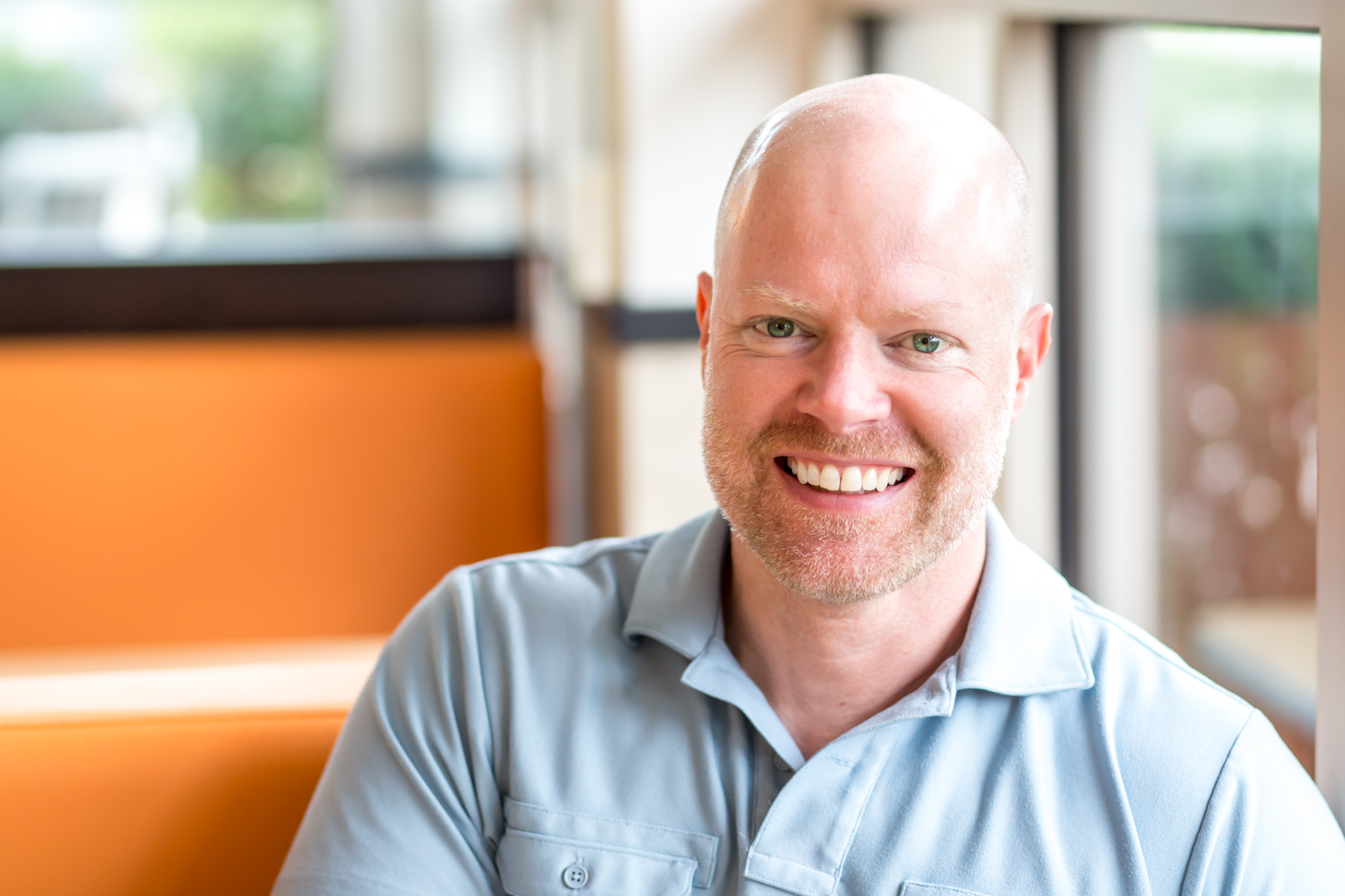
Jason Morris is theChurch.digital's equipping and mobilization director. A former missionary to Paraguay, he has written and taught for theChurch.digital since 2020 on online discipleship pathways, church online, micro-locations and digital missions, and has taken his Digital Missionary Conference session, "Platforms as Places", to mission leaders at Missio Nexus.
What grows a culture and community?
A viewer pioneering ministry in England asked this in the chat and answered it herself: consistency. Jason Morris made the same point on air, quoting one of theChurch.digital's global leaders: consistency builds culture. Cultures and subcultures form over time when people spend a lot of time together. Historically that required proximity; today, Jason says, it does not, which is why he reads the Great Commission's 'all nations' as ethnic groups and cultures rather than geography.
What are the four digital disruptions?
Jason Morris names four: consistency, proximity, permanency and immediacy. Each is a spectrum, and physical ministry is used to living on one side of it. On consistency, many churches have resigned themselves to seeing people once a month, while digital can lean daily, closer to Acts, where they met daily and people were added daily. On permanency, churches are used to one-off events meant to catalyze transformation, when discipleship happens gradually over time, and digital content lasts.
What is the church gathering for?
Jason says he is not against the gathering; scripture calls for it. His question is why. If the gathering is an end in itself, he thinks we have missed it. If it is a way to huddle, strategize, train and encourage one another so people are not discouraged or isolated and go back out with what they need, it is fruitful. What bothers him is not the gathering but the one-another commands, praying for each other and confessing sins to one another, that gatherings choose to ignore.
Should mission organizations treat digital platforms as mission fields?
That was Jason's pitch to mission leaders at Missio Nexus: budget, resource and staff platforms the way you do mission fields around the world, rather than treating them only as broadcast channels. You might raise support to go to a country you could reach from where you live if you looked at the platform as a place. The room turned, he says, when he asked whether someone who spends more time in TikTok than in America is shaped more by that place, because enough people doing that becomes a subculture Jesus told us to reach.
What does it mean to call Jesus the church's CTO?
Jason points to Colossians: he is before all things, and by him all things consist. So Jesus is holding together every cable, fiber and data center, and the question is not whether he is part of technology but whether we have eyes to see how he is building his church through it, from YouVersion to the tools mission agencies make, and whether we work with him or against him. We are called to make disciples, Jason says, not likers and subscribers or faithful attenders of weekly Christian events.
Is there a biblical basis for ministry without physical proximity?
Jason gives several: Paul saying he would carry out church discipline while absent, present with them in spirit; Jesus healing at a distance and marvelling at the faith of the man who told him to just say the word; praying for someone across the world, as he does when a missionary friend texts before riding into Laos. He also points to 2 John 12, where John longs to be face to face so their joy can be full, yet still writes the letter. It is both, Jason says, and the letter reached people two thousand years later.
What is digital obedience?
Jason's closing point: if we are serious about digital discipleship, we have to take digital obedience seriously. When you disciple someone digitally, make their obedience steps digital too: reading scripture, praying, telling others. Take proximity out of a method like Four Fields and your prayer walk gets a lot bigger. Jeff admits he has treated spiritual disciplines like prayer walking as if they did not apply online, when they do: how do you walk Facebook or TikTok for an hour in prayer?